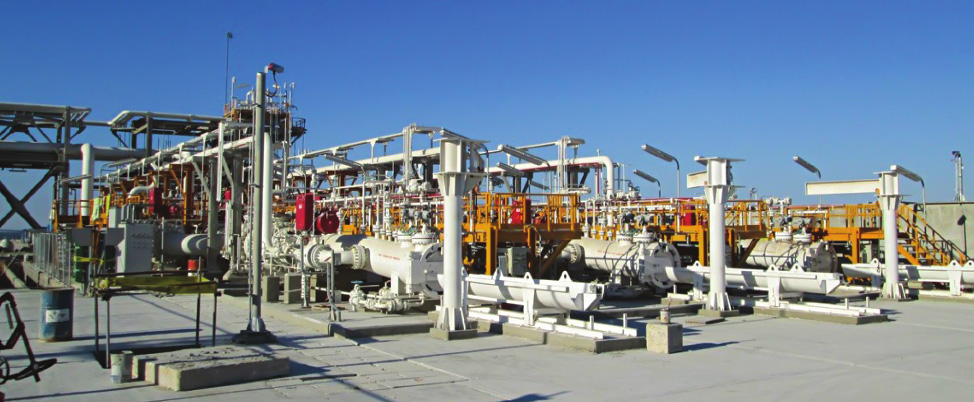
Pipeline pigging
Review launcher and receiver traps for pipeline tool handling, station interfaces and maintenance access.
View equipment ↗
Explore pipeline pigging, separation and heating equipment. Review product details and technical documents for your application.
Search all 28 catalogue listings by product name, function or equipment family.
Review launcher and receiver traps for pipeline tool handling, station interfaces and maintenance access.
View equipment ↗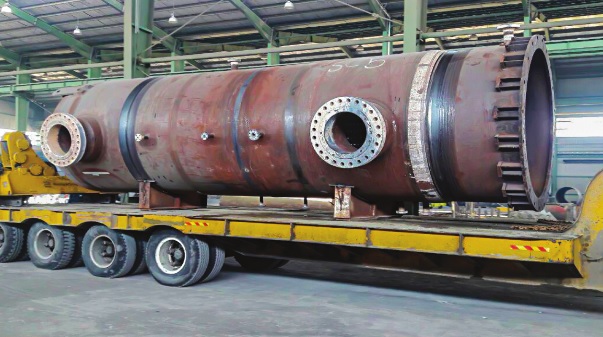
Compare filtration and separation options using the feed composition, contaminant load and required outlet quality.
View equipment ↗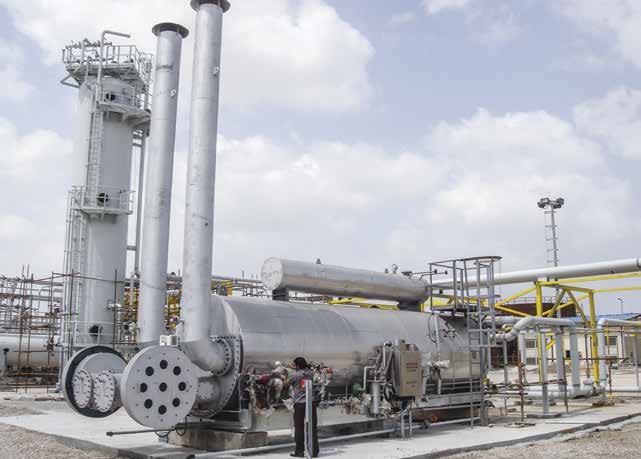
Explore heating options against the process duty, fluid properties and temperature limits.
View equipment ↗Pigging stations, passage monitoring, branch connections and pipeline restraints.
Explore family →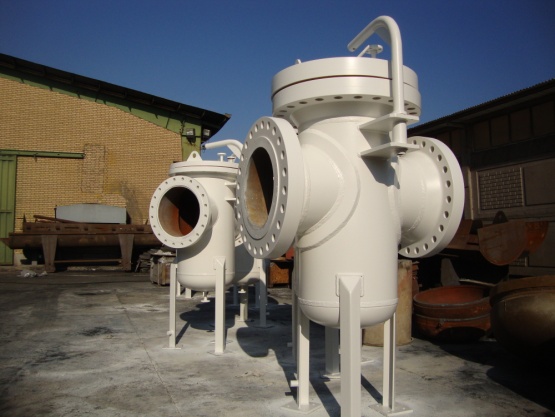
Equipment for managing solids, entrained liquids and multiphase streams.
Explore family →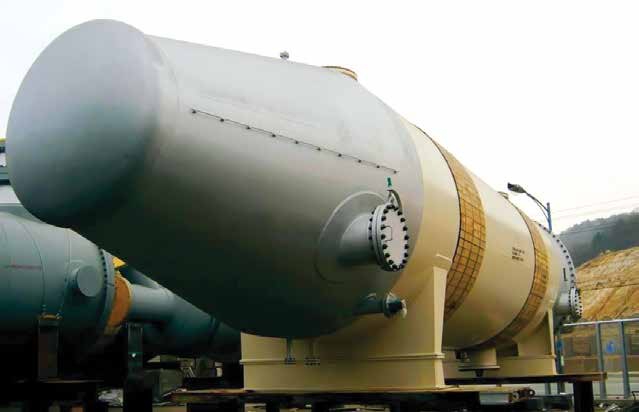
Compare fired, electric and indirect heating equipment and process heat exchangers.
Explore family →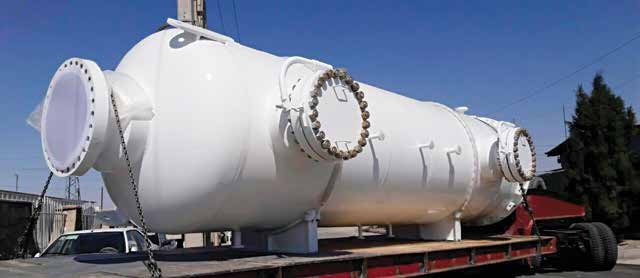
Explore pressure vessels, columns and packages for process treatment and fluid handling.
Explore family →A pig trap introduces or retrieves cleaning and inspection tools at a pipeline station.
View equipment →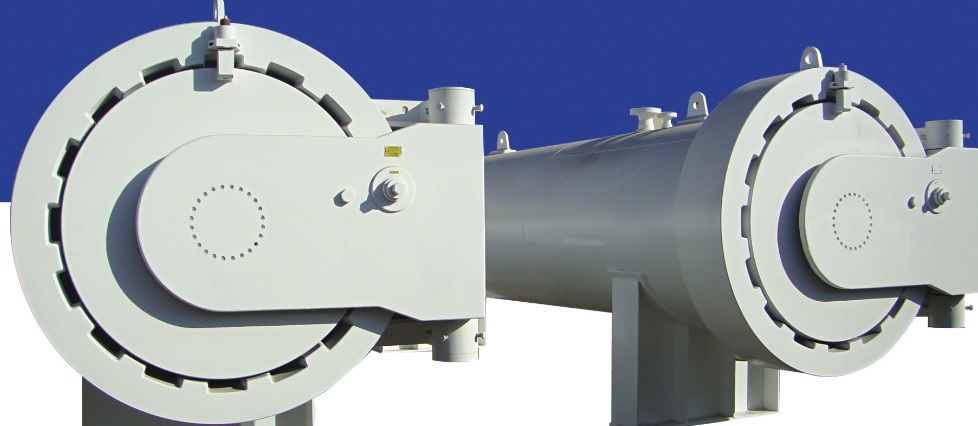
A quick-opening closure provides service access to a pig trap or filter housing. Door swing and maintenance clearance affect station layout.
View equipment →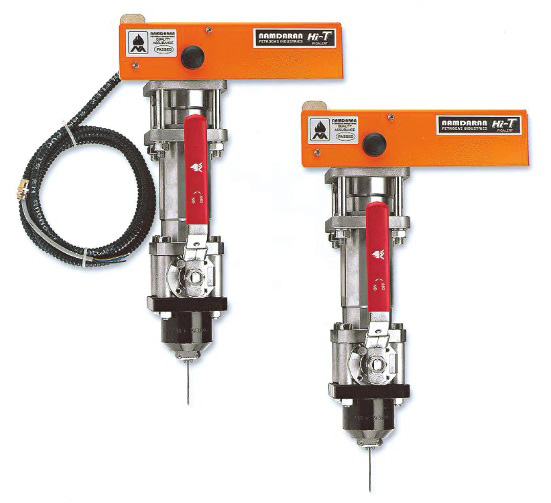
A pig passage indicator signals that a tool has passed a defined point in the pipeline.
View equipment →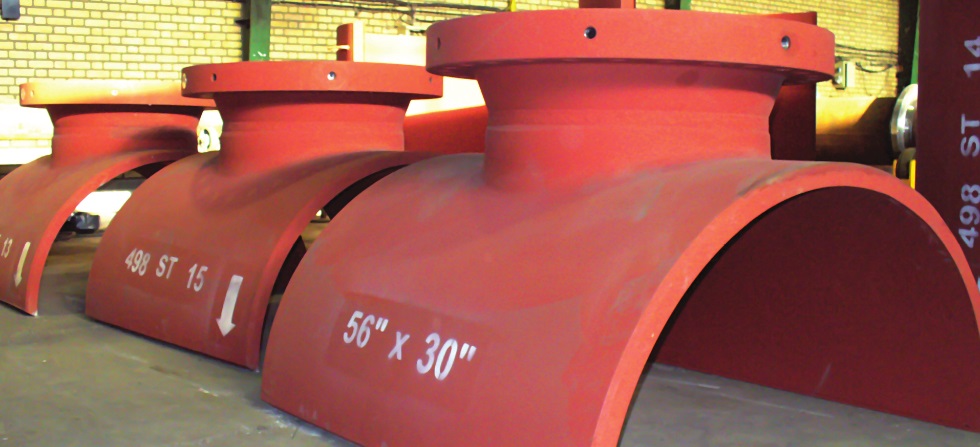
A split tee fits around the main line to provide a branch connection. Guide-bar selection depends on the required pigging path.
View equipment →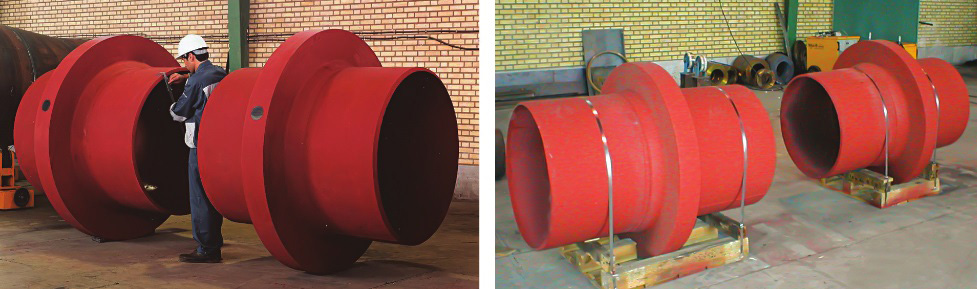
An anchor flange transfers axial pipeline loads into the restraint structure.
View equipment →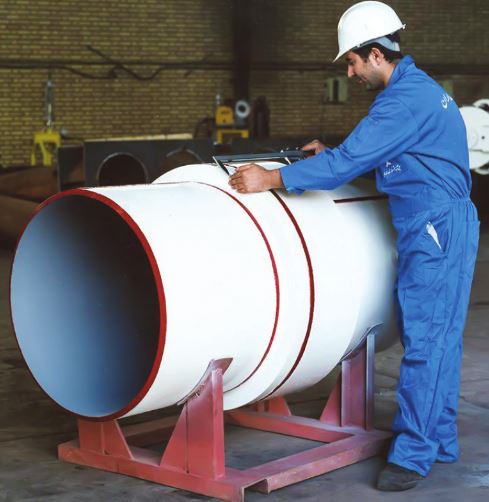
An insulating joint electrically separates adjacent pipeline sections while maintaining the fluid path.
View equipment →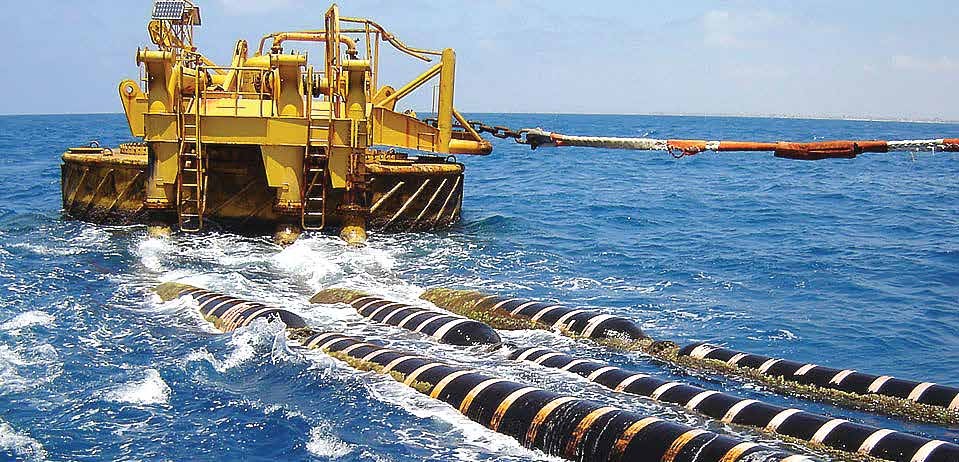
A swivel maintains a fluid transfer path as connected components change orientation on a single-point mooring system.
View equipment →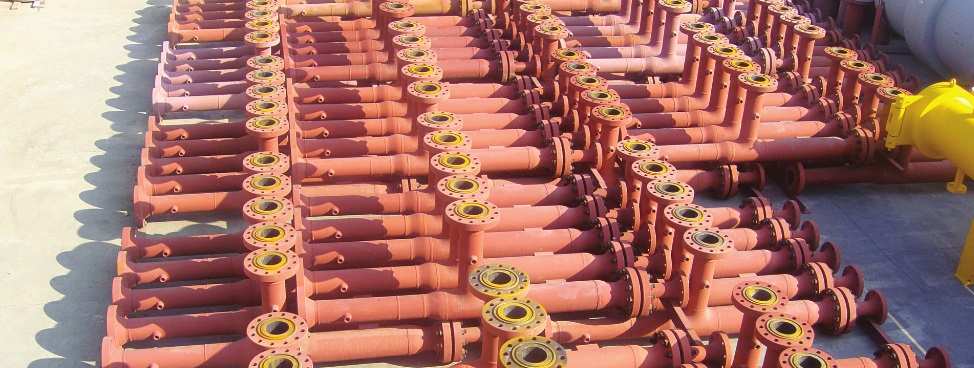
A stone trap collects coarse debris upstream of equipment sensitive to large solids.
View equipment →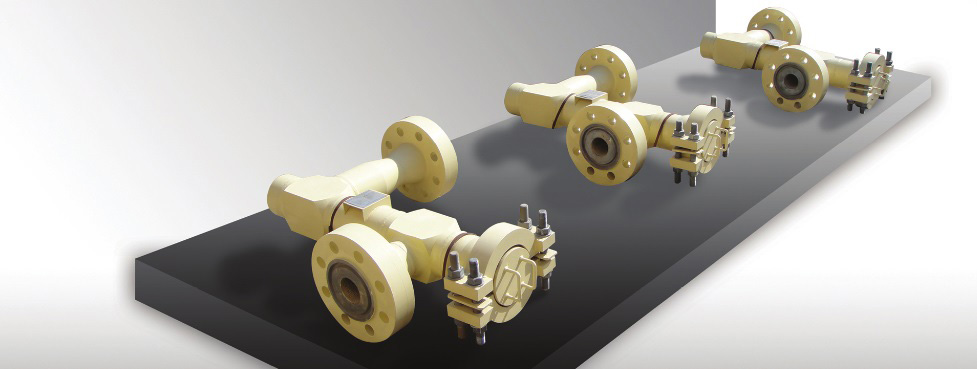
A grit trap collects dense solids carried in the process stream. Inlet solids loading influences hold-up and cleanout intervals.
View equipment →A removable basket screens solids from a fluid stream. Allow space above the housing to withdraw it for cleaning.
View equipment →A gas scrubber removes entrained liquid before the gas reaches downstream equipment.
View equipment →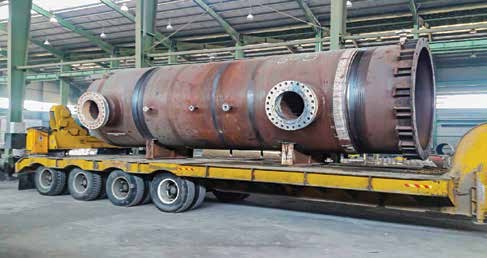
A filter scrubber serves applications where both particles and entrained liquids must be controlled.
View equipment →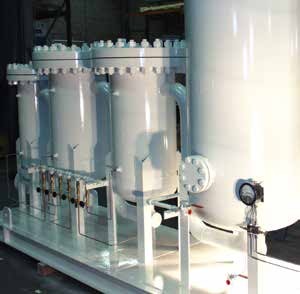
Filter elements collect solids suspended in dry gas. Particle loading and flow variation influence the required filtration area.
View equipment →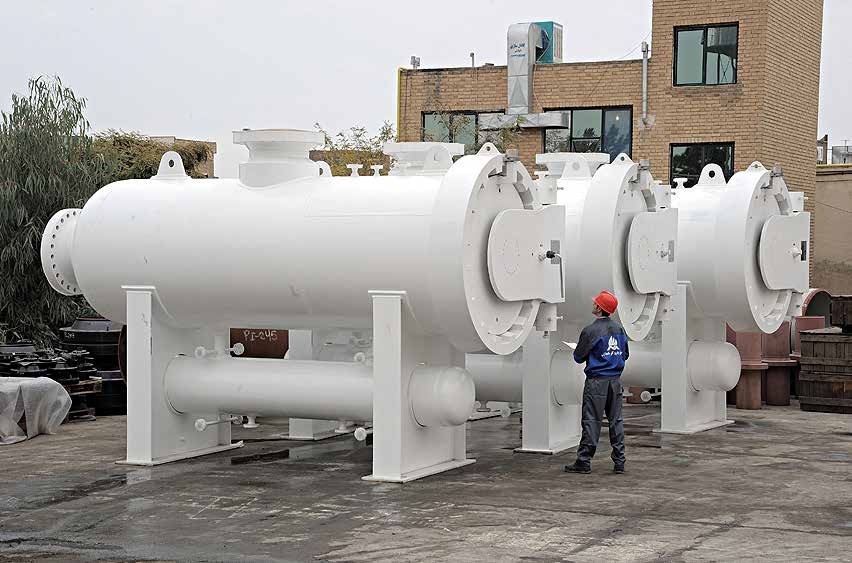
A filter separator combines solids filtration and liquid separation in a gas stream.
View equipment →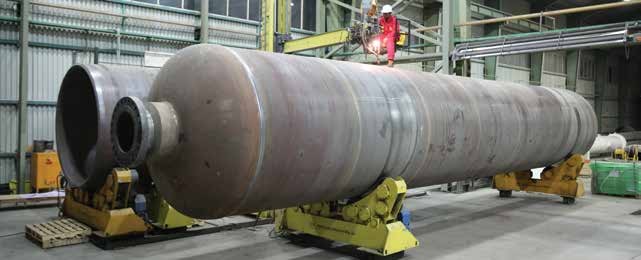
A phase separator divides the inlet stream into separate outlets. Three-phase service additionally separates the aqueous and hydrocarbon liquids.
View equipment →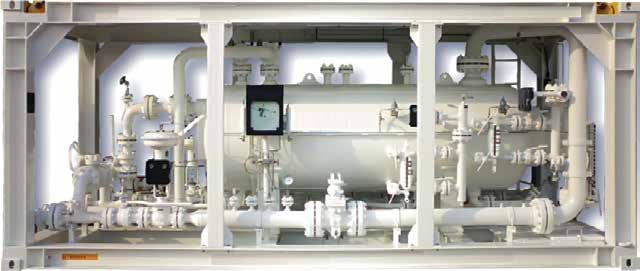
A mobile separator divides well fluids during field testing. Transport limits and changing well output affect package selection.
View equipment →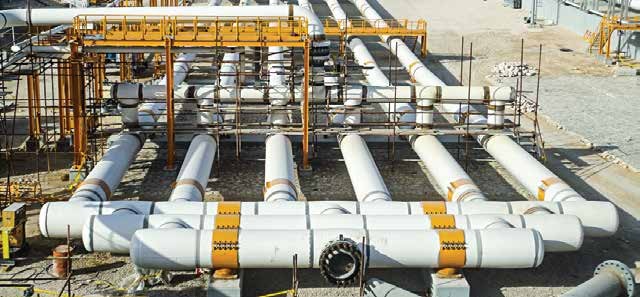
A slug catcher receives intermittent liquid surges and releases accumulated liquid at a controlled rate to downstream equipment.
View equipment →A heat exchanger transfers energy between process streams. Temperature approach, fouling and allowable pressure drop influence surface area and arrangement.
View equipment →A water bath transfers heat to a process coil. The required duty depends on flow, inlet temperature and the target outlet temperature.
View equipment →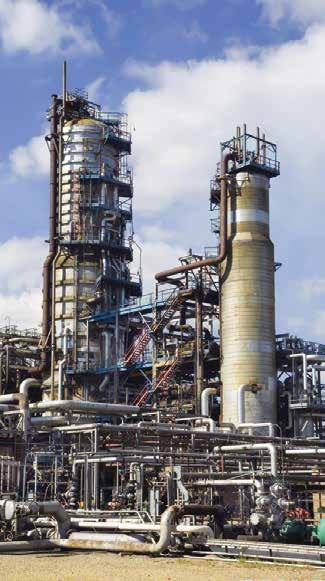
Heater selection depends on the required duty and the sensitivity of the process fluid to surface temperatures.
View equipment →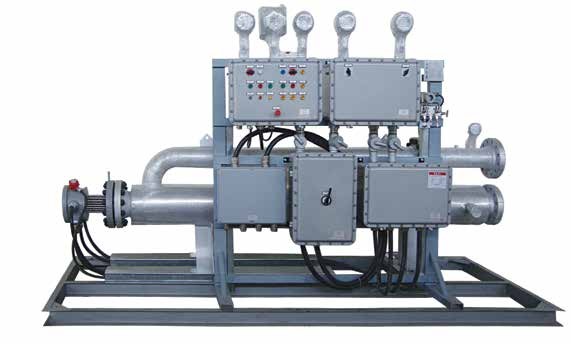
Electrical elements supply process heat. Available power, fluid properties and permissible element surface temperature guide selection.
View equipment →A pressure vessel contains a process fluid under specified conditions. Nozzle layout should be coordinated with installation and inspection access.
View equipment →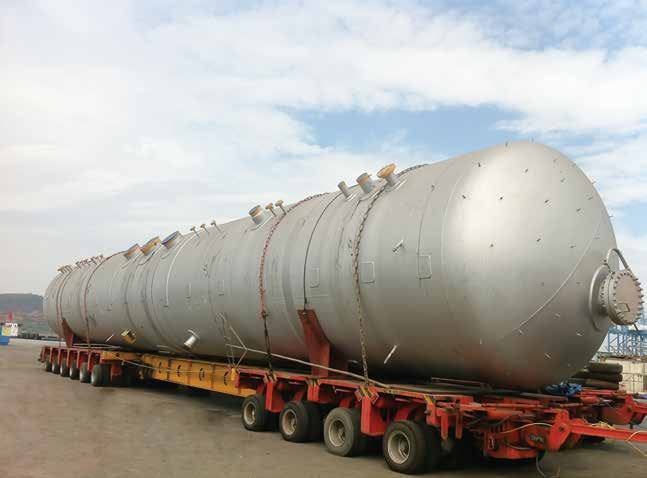
Vapor and liquid contact inside a distillation column to separate the feed into products. Feed composition and required purity define the process basis.
View equipment →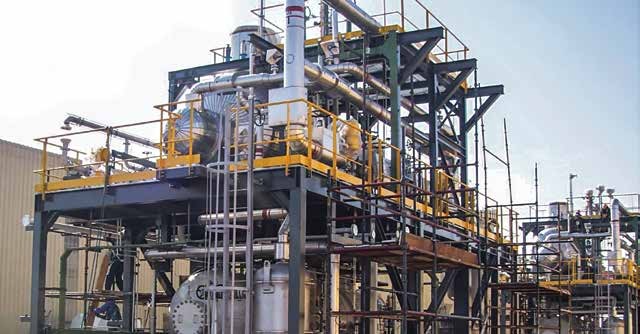
A liquid solvent removes a selected component from the gas stream. The gas composition and treating target guide solvent selection.
View equipment →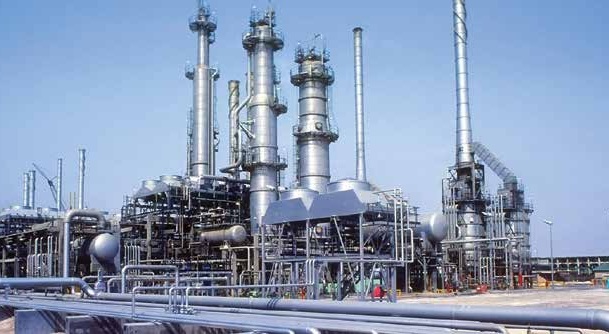
A solid bed captures targeted components from a process stream. Bed capacity and regeneration cycle depend on the feed envelope.
View equipment →
A chemical injection package meters fluid to a defined injection point. Wetted materials and pump selection depend on the chemical and destination pressure.
View equipment →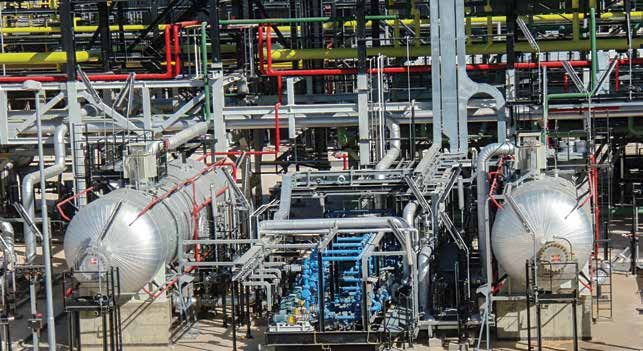
A desalting unit reduces salt carried with crude oil. Inlet water, salt content and the permitted outlet concentration define the duty.
View equipment →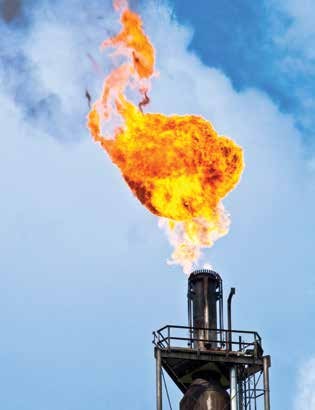
A flare package handles combustible relief streams for defined operating scenarios. Gas composition and site constraints influence system design.
View equipment →